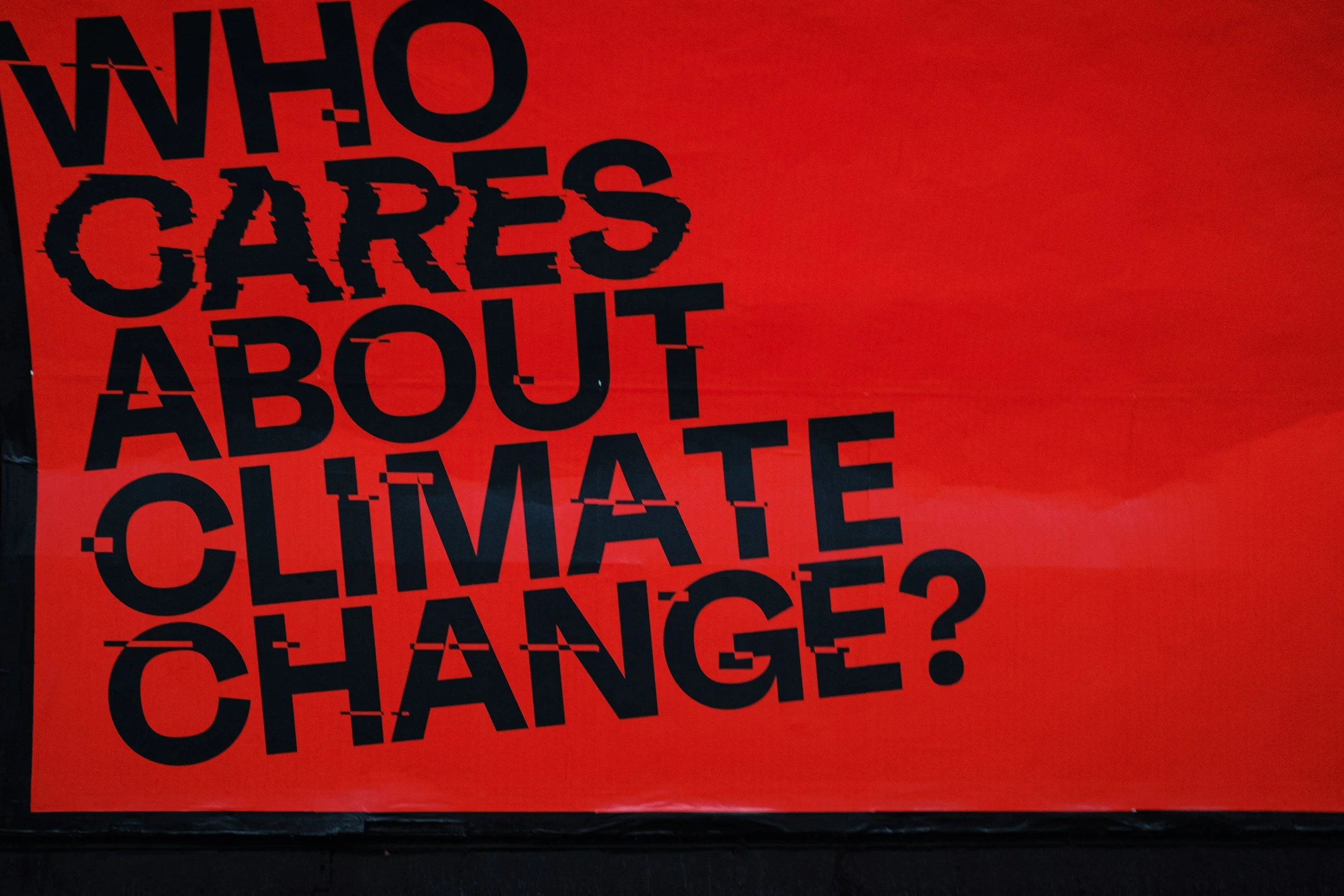
‘Three of the last four years have been the hottest on record. Yet the individual desire to act on climate change has fallen over the same period.’
This conclusion of the Ipsos People and Climate Change report 2026 is based on responses to the statement ‘If individuals like me do not act now to combat climate change, we will be failing future generations’. The proportion who agree with that statement has reduced significantly in every one of the 26 countries surveyed in 2026 compared with 2021. Other recent reports by Ipsos place climate change 11th in the list of the concerns of individuals in the world (after, for example, inflation, crime, poverty and unemployment) and conclude that support for the clean energy transition is conditional on affordability.
These findings beg the question yet again, what will it take for individuals (and businesses, and governments) to be incentivised to act on climate change?
This became the key topic at a roundtable I joined on behalf of Resilience First at the SXSW London festival a few weeks ago, and the conclusion we reached was that the case for action must be:
based on now, not the future, because however much we might wish it otherwise, individuals, businesses and governments are more concerned about the immediate. And that isn’t irrational, because if you can’t survive the next year, the future is (at least for you) irrelevant.
about benefit, not risk, for example that renewable energy is cheaper (for the individual) and more secure (for governments); that an EV is quieter, more relaxing and comfortable to drive; and that a business embracing high ESG standards will secure more customers and cheaper finance.
personal, for example that extreme climate will harm my health (the argument played out in this World Health Organisation October 2024 report Health is the Argument for Climate Action).
Most campaigning about climate change is based on abstract arguments about future risk. So the polar opposite of the three points above. It pains me that arguments about personal responsibility for future generations carry so little weight, but the Ipsos survey (and many others) suggest that is the case.
Saying the same thing over and over again and expecting a different reaction feels like a definition of insanity, on a par with the insanity of the world’s failure to respond with urgency to climate change.
Perhaps it is time we in the climate community change our approach.