2 years, 10 months, 24 days
29 August 2026
A disaster unleashed by humanity.
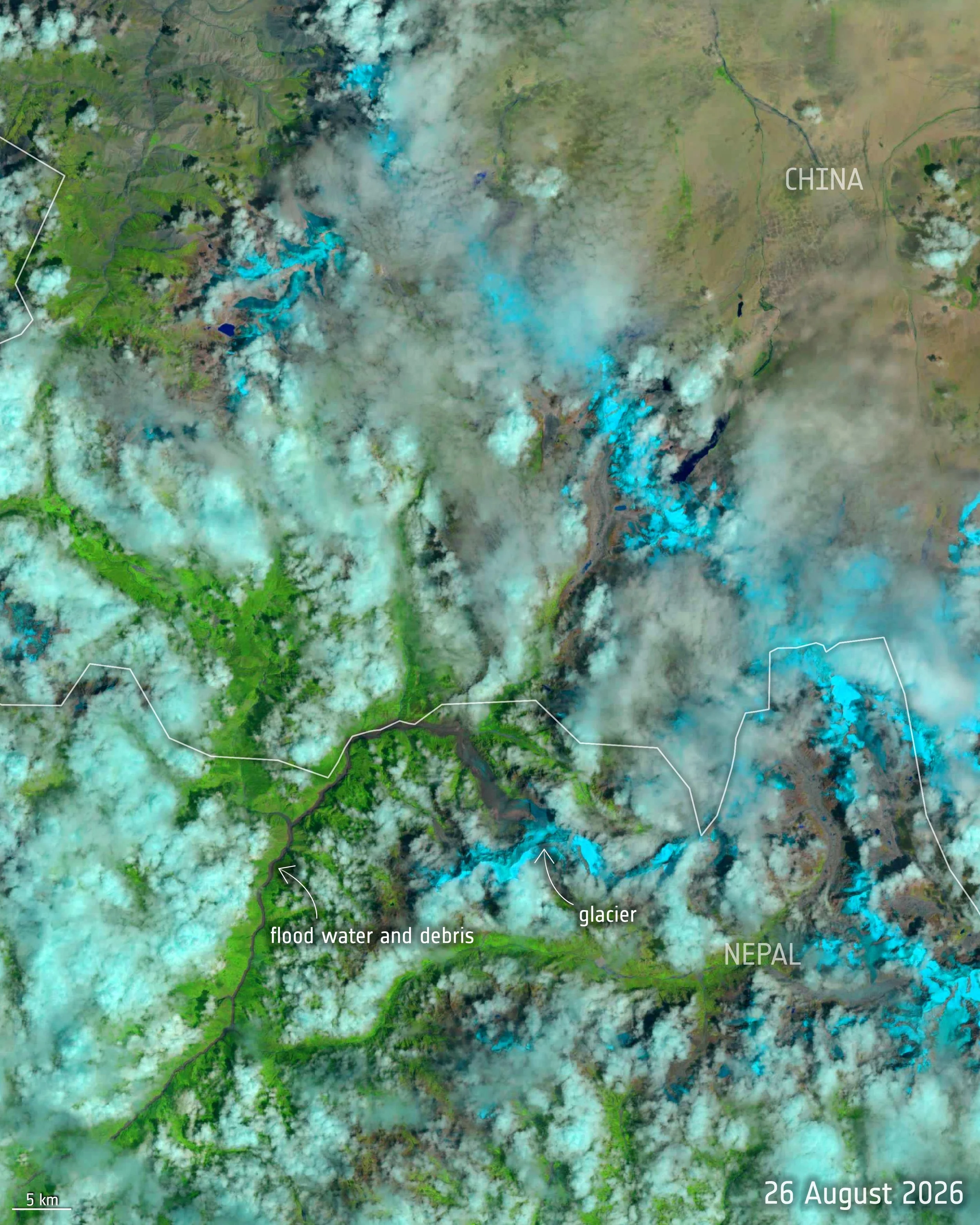
The videos and photographs of the terrible events in Nepal and Tibet this week, with more than 600 confirmed dead, thousands missing, and whole villages swept away, after a collapsed glacier sent a tidal wave of water, rock, mud and debris down the Trishuli River, are a horrific reminder of the power of nature unleashed.
I find it curious that in the media there is a degree of hedging around whether this disaster is due to climate change. Of course the tectonic plate movements of the Himalayas may have played a role, as may some earth tremor. Of course it is an event that has happened before, though not usually at such devastating scale. The images of people being rescued from liquid mud are for me shockingly reminiscent of images following the 2018 Sulawesi tsunami in Indonesia, which was due to an earthquake at sea, not climate change.
But in this case, screamingly obviously, climate change is a major contributor.
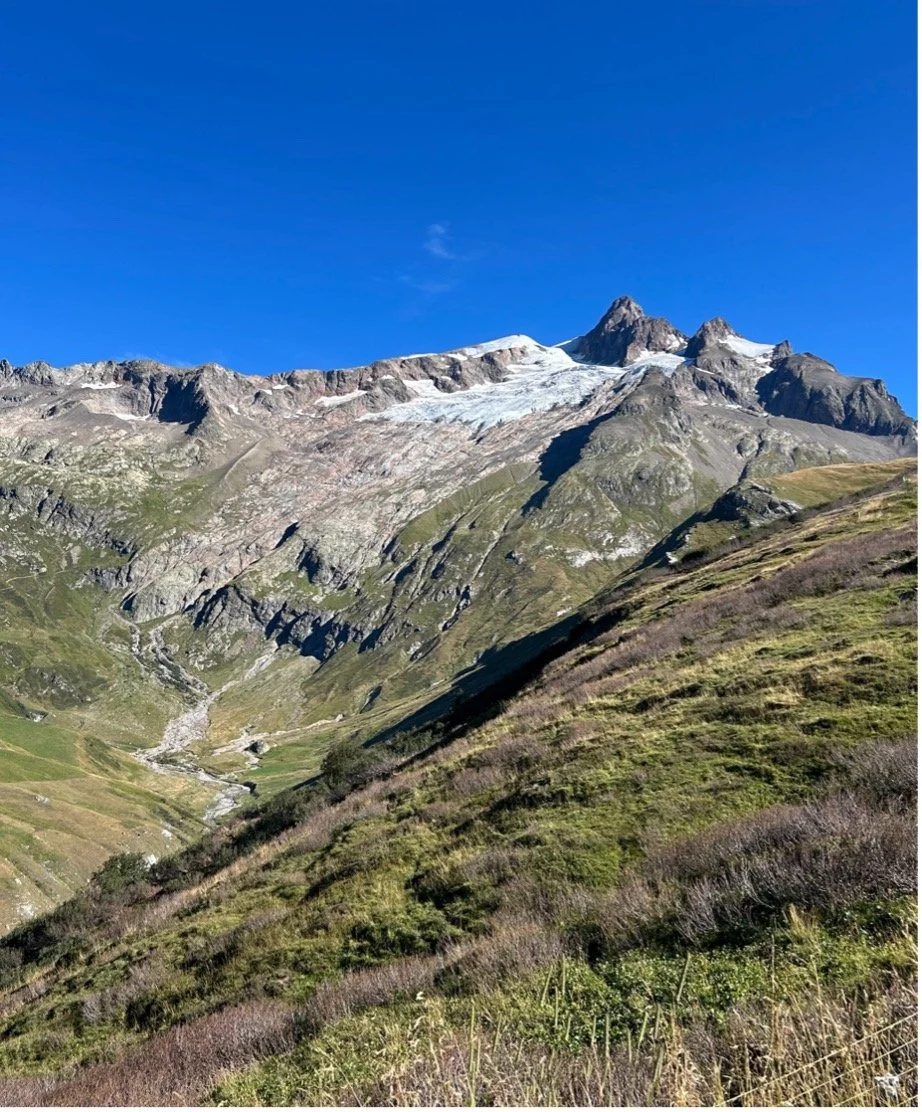
As the disaster was unfolding I was in the final stages of the famous hike, the Tour du Mont Blanc. Every day of that hike the view is of glaciers, and every day you can see the extent of their retreat in the scoured rock below them, as in my photograph here. One, the Argentière Glacier, is a reference glacier of the World Glacier Monitoring Service. A study a few years ago suggests it may entirely disappear by 2080. On 11 August authorities closed two of the refuges on the main routes up to Mont Blanc to discourage climbing the famous peak, due to the severe rockfall risk as a result of sustained high temperatures accelerating the rate of ice melt.
Let’s name it as it is. The horror in Nepal and Tibet is not an entirely natural disaster. It is a disaster unleashed by humanity, as we continue to burn fossil fuels and push up the temperature of the planet.