At What Cost?
3 years, 5 months, 20 days, 13 hours
1 February 2026
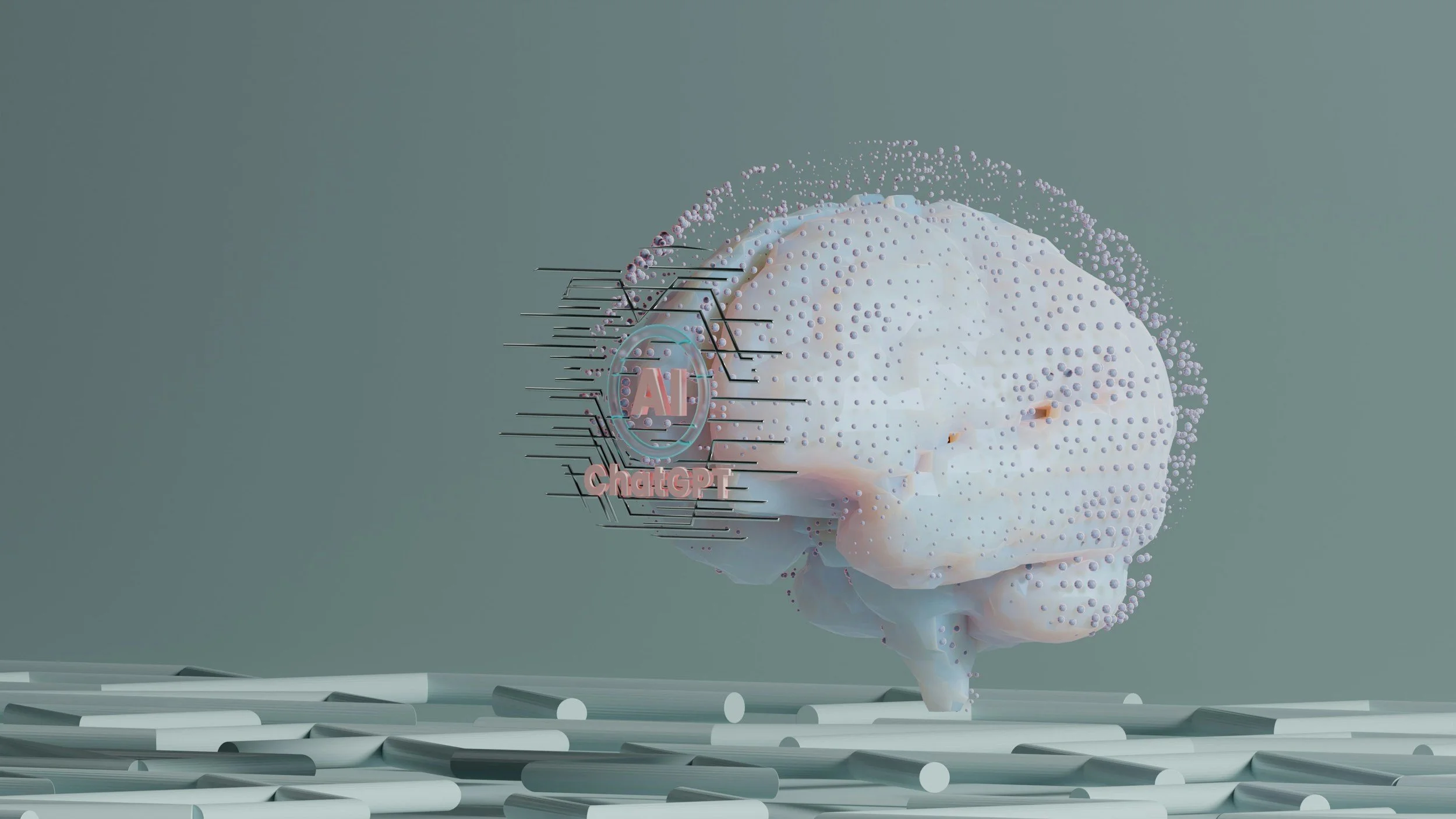
We call it Artificial Intelligence, but that presupposes that what it is seeking to mimic is really intelligent.
Tomorrow I will be speaking on the opening panel of the 10th Istanbul PPP (Public Private Partnerships) Week conference. The topic? “Humanising: AI Data and Smart Infrastructure”. And so this conference mirrors pretty much every other one in the world of the last year and probably the year ahead too, in prioritising the conversation about AI.
And as well it might. The AI frenzy has, according to Eurasia Group, driven 75% of US stock market gains last year, AI investment is expected to amount to more than $5 trillion by 2030, according to McKinsey, and the data centre boom is producing both spectacular numbers of new projects (nearly 100 planning applications in the UK alone) and scale (the US Stargate project is a $500 billion investment (for reference, many multiples of the ballooned cost of the UK’s High Speed 2 project).
This craze is fuelled by the belief that AI will transform our lives. Already it is being deployed to accelerate solutions to the complex, and minimise human effort in the tedious. In a world which assumes that economic growth is the prize and efficiency is the key, AI is the ultimate answer.
But what if growth and efficiency, though easy to measure, are not the whole of what matters for the quality of being alive? What are the costs that we are not measuring, and hence discount?
The expectation that carbon emissions from data centres could nearly treble by 2035, according to the International Energy Agency.
Soaring demand for electricity at just the point we are desperately trying to green power generation, with gas power stations being built just to serve data centres, with capacities equivalent to that needed for whole cities.
The demand for water, for cooling data centres, as water shortage is becoming a crisis in many countries, due to climate change.
The risk (Eurasia Group’s No 8 this year) that this unregulated business defaults to exploiting its users in a desperate attempt to deliver the anticipated sky-high returns, and undermines society in the process.
And a jobs market upheaval which we know will further deepen the already dangerous economic divide between the super-rich and everyone else.
I am not arguing that AI is a bad thing. I am sure it has lots of potential for good. But I think we all know that it is being injected into our lives, whether we like it or not, on the strength of the pursuit of profit. We call it Artificial Intelligence, but that presupposes that what it is seeking to mimic is really intelligent.