Hard to Abate?
4 years, 2 months, 12 days, 20 hours
9 May 2025
The pace is still gathering on efforts to decarbonise everything, and save our planet.
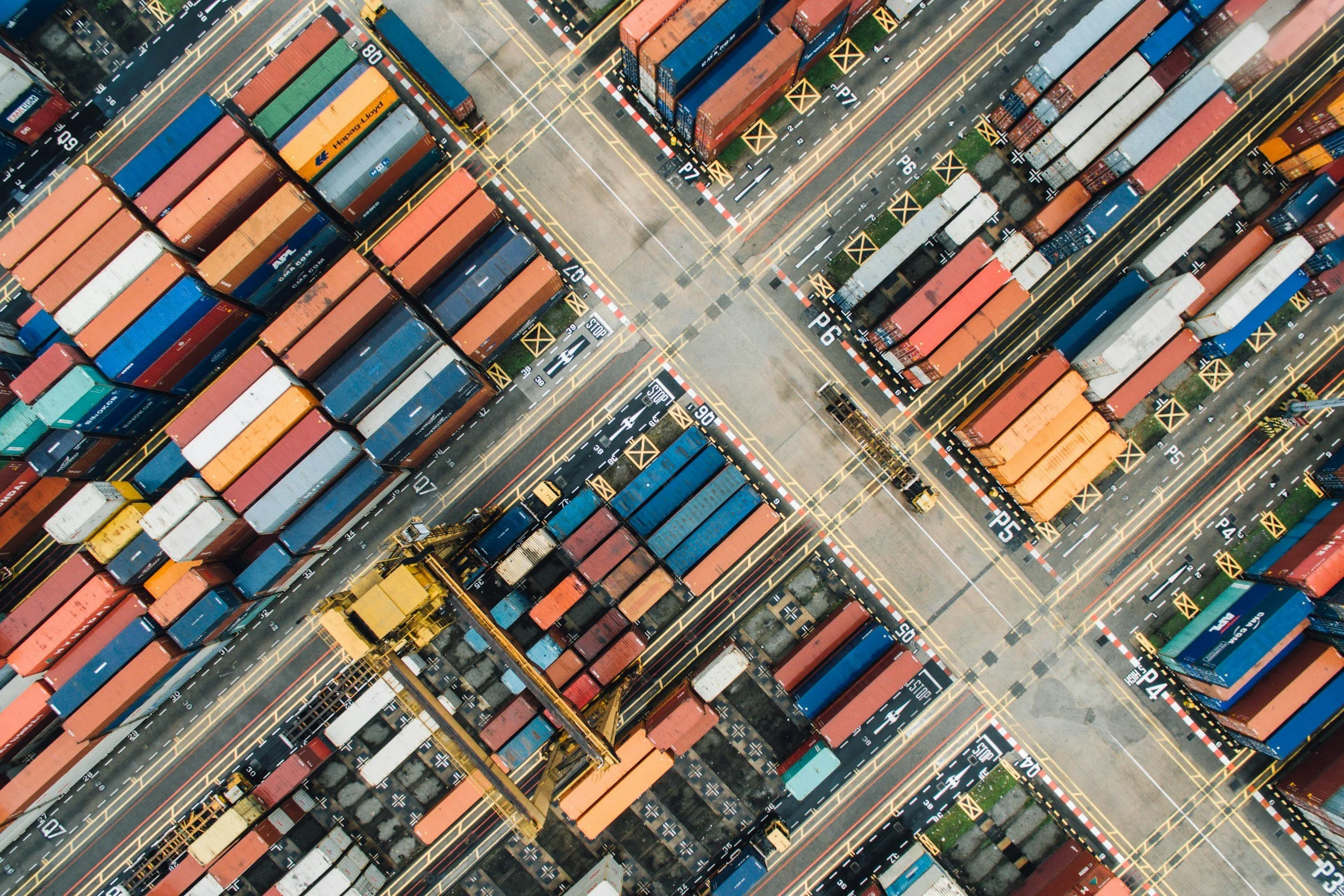
“Hard to Ignore. Hard to Abate”, was the title of the panel I had the privilege of chairing earlier this week at the Asian Development Bank’s annual meeting in Milan. For those not sufficiently au-fait with the language of the climate community, “hard to abate” is shorthand for “hard to abate sectors” and means those sectors which are material contributors of carbon emissions but where the transition pathway (another term-of-the-art) is barely started because of technical constraints or the sheer cost of alternatives. The classic examples are aviation, shipping, steel and cement.
But the concluding comment on the panel which drew the applause of the room was “They are not hard to abate. We need that to be our mindset”. And that was consistent with the generally business-like, optimistic, “we can solve this” atmosphere of the whole event.
On my panel the Deputy CEO and CFO of TAV Airports, Burco Geris, said four of their airports were already carbon neutral, and the investments to drive net zero were nearly all financially beneficial in saving costs. Kelvin Fu, the Founder and Managing Partner of Indonesian steel business Gunung Capital said pursuing green steel was helping them recruit, and their workforce had an average age of 30 (!). It also helped them differentiate in the market. Ali Shaikh, founder of Safco Ventures, who have just opened Asia’s first Sustainable Aviation Fuel production facility in Pakistan, using locally collected waste, said the cost of SAF being currently nine times the cost of petrol-based fuels was no barrier to their business as demand is running ahead of supply.
The next day KPMG’s Mike Hayes conducted a fireside chat with the impressive Marco Arcelli, CEO of ACWA Power. He too brimmed with positivity. He said in the first months of this year green hydrogen from their plants in Saudi Arabia was cheaper than grey hydrogen in Europe, even after accounting for shipping costs. He talked of how the cost of desalination has tumbled, made the case for interconnectors so surplus renewable energy in the Middle East could be exported to Europe in the winter, and told how they were now building grid connections with their renewable energy plants to help address grid challenges.
I came away hugely uplifted. Organisations may be quieter than before on their climate commitments but the reality is the pace is still gathering on efforts to decarbonise everything, and save our planet.