How to Bee Cool
2 years, 10 months, 10 days, 2 hours
12 September 2026
Whilst we gradually fry our planet and ourselves, mitigation comes to the fore.
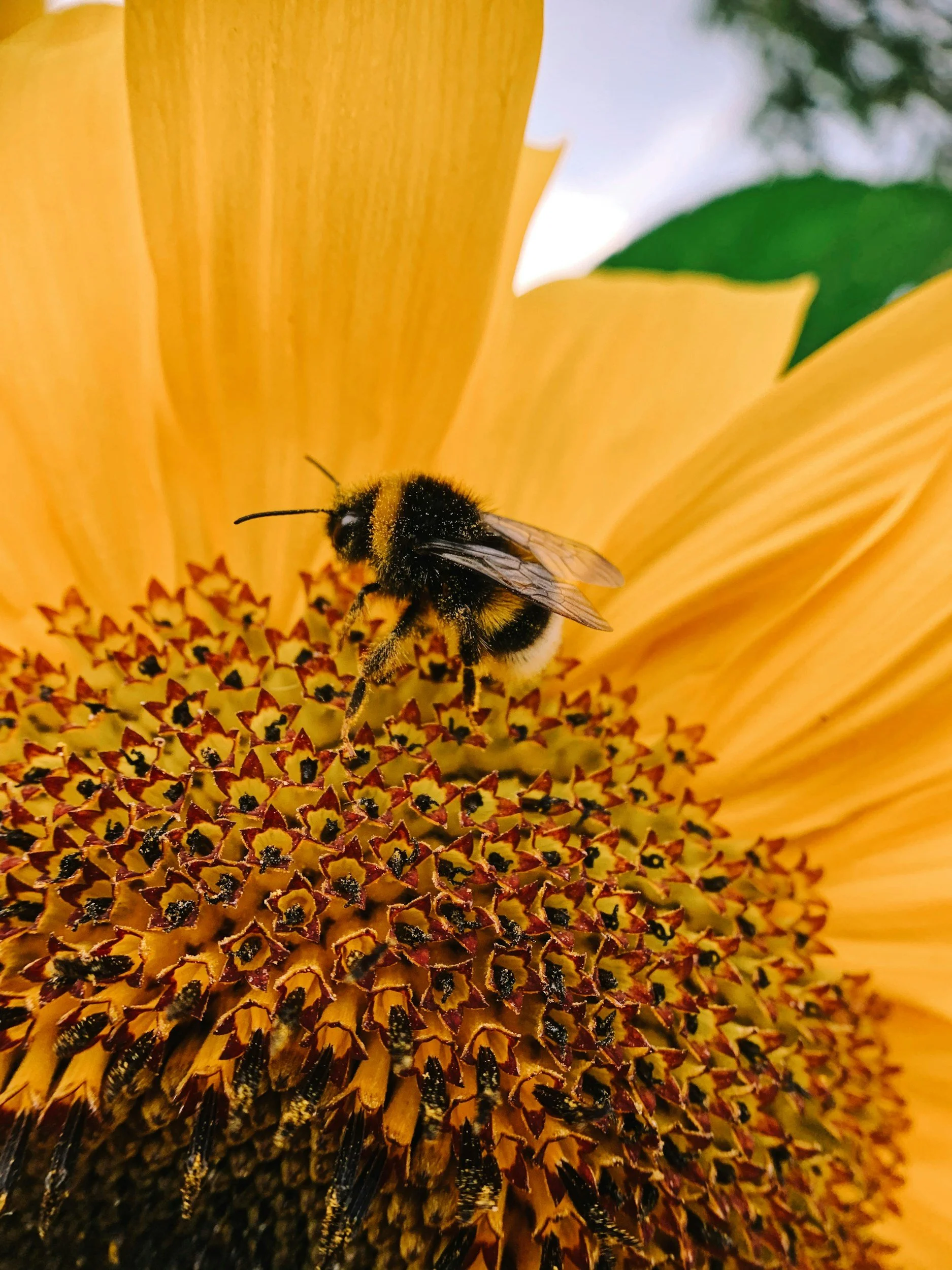
‘Who is going to air-condition the bees?’
My good friend and former colleague Janet Greenwood was speaking at an event on Thursday at the UK Institution of Civil Engineers, marking the launch of their report: Making resilience count: The economic value of climate readiness.
A few years ago nearly all the climate conversation was about decarbonisation. I remember an intense argument in one forum as to whether their focus should explicitly include climate mitigation - the argument against was that it would divert attention from tackling the causes of climate change, and capitulate to the idea that we couldn’t limit global warming fast enough.
But the sad reality was the world wasn’t going to act fast enough, didn’t and still isn’t. On 2 September the United National Development Programme, UNDP, published a report, Limiting Overshoot, opining that limiting warming to 1.5 degrees Celsius was now a lost cause: ‘Even an optimistic scenario puts expected peak temperature rise at 1.8 degrees Celsius’. The report pleads for redoubled efforts to eventually bring the temperature back down: ‘There are no good outcomes in remaining above 1.5 degrees’ their report says, with outcomes including ‘Severe damage to human health, food security, water supplies, nature, cities, infrastructure and economies’.
So in the meantime, whilst we gradually fry our planet and ourselves, mitigation comes to the fore. And that means, to borrow from Janet again, buying lots of air conditioning units that are made with plastic, transported on fossil fuel burning ships, energy intensive in use, shift the heat outside, and ultimately end up in landfill. Genius.
And all that, whilst adding to the global problem, might just make life more comfortable for those humans who can afford it.
But what about the bees?