Winner Takes It All
4 years, 4 months, 5 days, 13 hours
16 March 2025
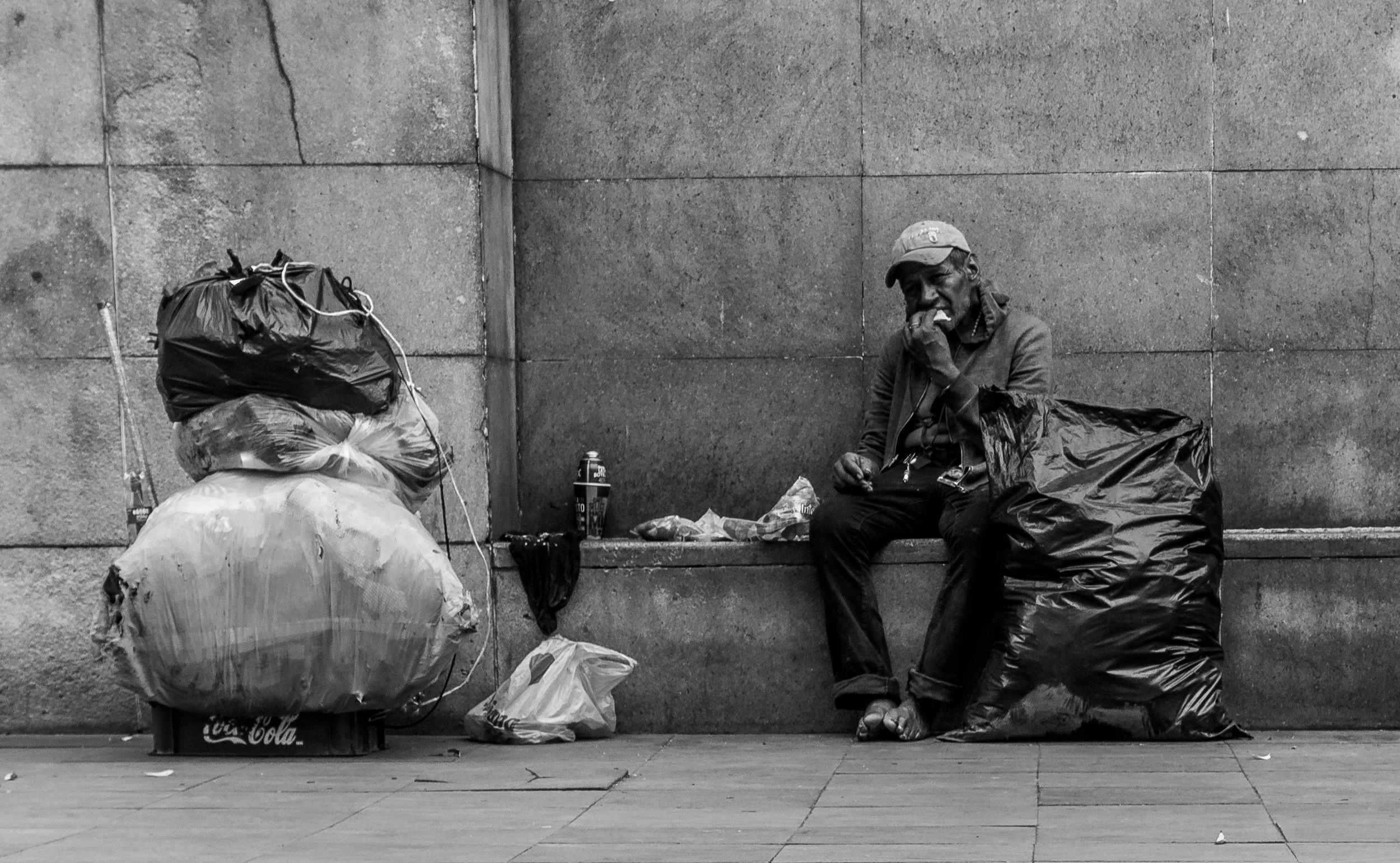
The divide between winners and losers has been deepening.
‘The divide between winners and losers has been deepening, poisoning our politics, setting us apart’.
It wasn’t what I was expecting in a book about equality, that it would focus on dignity, status, respect, recognition, honour and esteem. These are not the usual lenses through which we discuss equality in our society, but they are the ones that Thomas Piketty, professor of economics in Paris, and Michael Sandel, professor of government at Harvard, conclude are the most potent politically and perhaps morally, in their short book, ‘Equality’, which was recommended to me a few weeks ago and which I read this week. They believe it is these aspects of equality that have driven the rise of identify politics and taken the world into its current convulsions.
It was one of the most challenging books I have read in a long time. The authors in their discourse are advocates of a radical expansion of social democracy. They argue for neutering the buying power of the super-rich by returning to the very high rates of marginal taxation seen in the decades post the Second World War in both Europe and the US, and also bringing more and more services under state control where they are made available according to need (like the UK National Health Service) or universally (like state education). They want maximum incomes to be limited to a multiple of minimum, perhaps five or ten times at most. They are deeply uncomfortable with meritocracy, because their research shows that it seems to have led to an elite that controls institutions, like the most prestigious universities, and doesn’t actually deliver the upward mobility it may suggest. And also because ‘it encourages hubris amongst the winners and humiliation among those left behind’. Those who are successful seem to think it is largely due to their own brilliance; they discount both luck and the significant help they have had from others. To address this the authors propose shortlisting all those who are capable of being successful in a role, and then choosing at random who gets the place.
You don’t necessarily need to agree with the book’s proposed solutions to see the merit in the underlying analysis. We are indeed in a more polarised world and the discontent of the ‘have-nots’ is making itself felt in extreme right-wing political success in myriad countries. It feels plausible that behind the most visible inequalities, of wealth, income and power, and the headline grievances, against immigration and globalisation, lies a more powerful sense of being looked down upon in society and told if you are not successful it is likely your own fault.
Finally, they note ‘The problem is not the people who own a house or who own a car. The problem is the incredible concentration of property in a few hands, and this comes with concentration of power’. I look at the Tesla on my drive, and the Starlink dish on my roof, and wince.