2 years, 9 months, 14 days, 52 minutes
8 October 2026
A taste of what may happen when malicious AI or asymmetric warfare takes out a country’s power grid.
We arrived last Friday at the house we have started renting, just south of Barcelona, in the dark, in pouring rain, to find the electricity supply had failed, the fuses at the road destroyed by an electrical surge, presumably as a result of the storms over the last week which have led the Catalan government to issue a string of civil protection warnings.
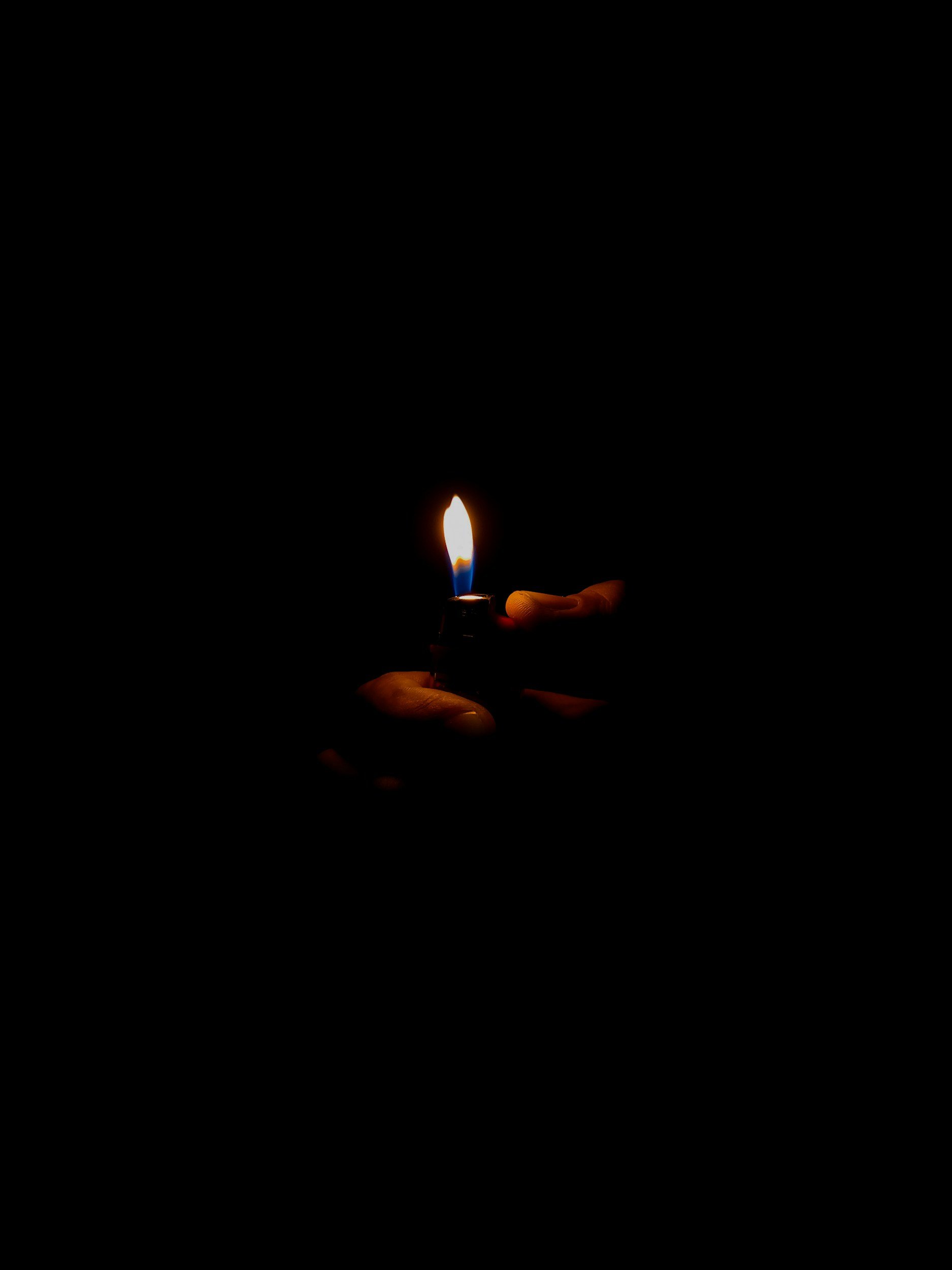
It was two days before we could get the power restored. More than enough time to contemplate, by candlelight in the evenings, how dependent society is becoming on electricity, and the risks of over-reliance.
Is access to electricity now a basic human right? In Factfulness, published in 2018, Hans Rosling celebrated the progress being made in bringing electricity to, by then, about 85% of the world’s population. Now it is over 92%. Bringing that up to 100% by 2030 is implied in the United Nations' Sustainable Development Goal 7.
The quality of life improvement of electricity access is undeniable - for light, for heating and cooling, for cooking, for running schools and hospitals - the list is endless. As Ukraine heads into this winter, loss of power from Russian attack is one of the biggest threats to that society. Electricity can be fully sustainable, and the rapid advance in the electrification of our society is charted in the Energy Institute’s Statistical Review of World Energy which I wrote about on 3 July in my blog Green China. Data centres are heaping on demand, as is the gradual ascendency of electric vehicles.
But my experience at the weekend suggests we should be careful not to put all of our eggs into an electric basket - or at least not in a single source of supply. Our supposedly ’smart home’ offered shelter from the elements but without electricity, nothing else. No light. No power. No hot water. No wifi. No internet. No ability to charge a phone, or a car, or anything else. Water pressure dropped without pumps. Electric gates wouldn’t open. Electric blinds wouldn’t shut. There was no manual override. All first world problems. No risk to life or limb, unlike in Ukraine. But nonetheless stupid that there was exposure to a single point of failure. A taste perhaps of what may happen when malicious AI or asymmetric warfare takes out a country’s power grid.
Actually there was one mitigation. On the roof a couple of small solar panels continued to put a little heat in the water tank and showers were hence lukewarm not stone cold. A tiny example of how distributed energy provides resilience and personal security. Perhaps Pakistan, with its rooftop solar revolution, is the exemplar for the future.