3 years, 7 months, 16 days, 22 hours

5 December 2025
The best interest of countries everywhere is to open their borders.
‘Never bet against human mobility’, is one of my favourite lines from a recent presentation in New Delhi given by Dr Parag Khanna, author of the book MOVE and founder of climate resilience analytics business AlphaGeo.
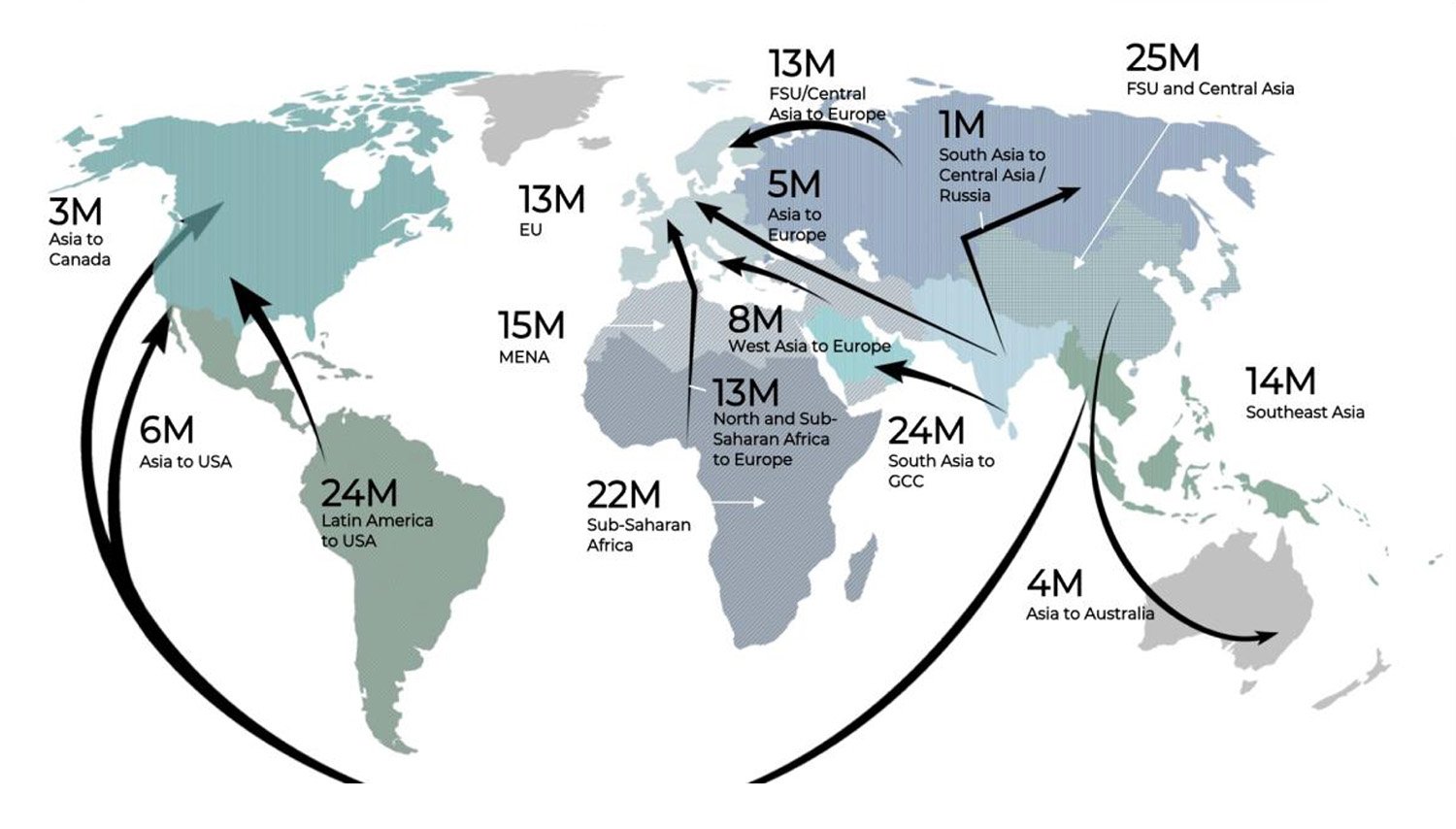
Contrary to what you might believe from the rhetoric of ’stop the boats’ and other attempts around the world to limit migration, the numbers of people moving between countries today is greater than ever. “Never in the recorded history of the human species have this many people physically relocated from one region to another region”, says Parag, and his map, reproduced below, shows the extent of those flows over the last 25 years.
These movements have to be seen in two contexts. First the world’s fertility rate is falling sharply, everywhere except Africa. In September The Economist published its own analysis on population forecasts, concluding that the estimates of the United Nations remain too high, and global population was now likely to peak before 2070 and never reach 10 billion.
Second the regions of the world where the vast majority of the youth of the future will be born are the regions most affected by climate change, as shown in the below ‘Map of Planet Habitability’. Parag says the world is doing nothing to address this. I would say the reality is worse. The world is actively trying to stop young individuals from these mostly poorer countries from seeking employment elsewhere.
Rather than trying to close borders, the best interests of countries everywhere is to open them. Recent analysis in New Zealand shows that in the 1960s there were 7 citizens of working age for every person over 65 years old. Now that ratio is 4 and by the 2070s is forecast to be down to 2. Rather than betting on AI and never-ending productivity gains, countries should follow Parag’s advice and embrace inward migration.
People on the move like never before …
Map of Planet Habitability
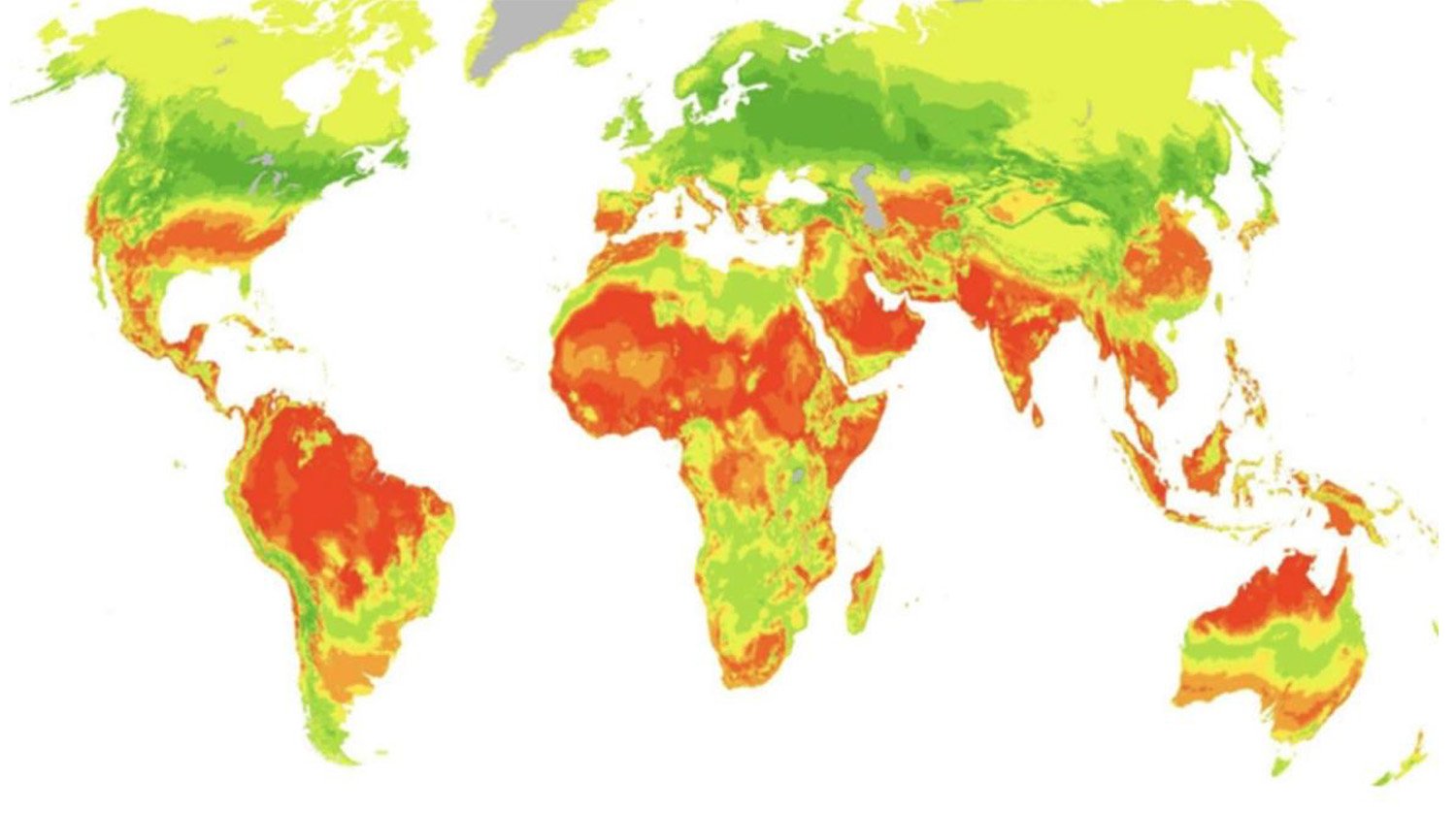
Image credit: NASA, National Academy of Sciences, Chi Xu, Marten Scheffer. By AlphaGeo